
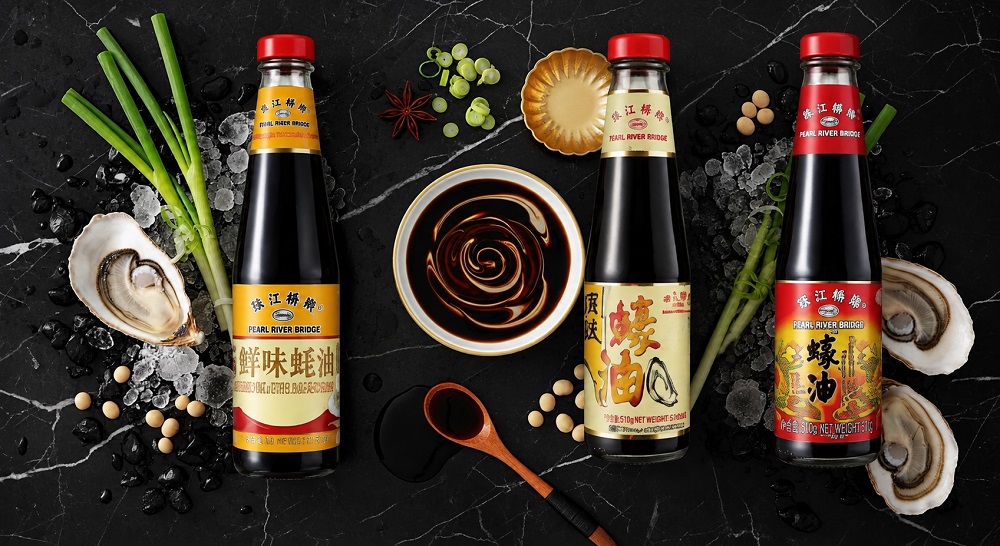
You demand maximum flavor impact and operational efficiency in high-volume wok stations. Pearl River Bridge Premium Oyster Sauce sets the benchmark for restaurant-grade performance. You achieve the ideal kitchen pairing when you combine it with Pearl River Bridge Premium Light and Dark Soy Sauces, establishing the best soy sauce pairing for your line. Commercial buyers evaluate each oyster sauce base by extract concentration, heat stability, yield, and extreme heat performance. Line chefs boost recipe value using Top Grade Oyster Flavoured Sauce and Premium Oyster Sauce. Furthermore, budget-conscious kitchens rely on Gloden Label Oyster Sauce to control costs while maintaining rich soy sauce performance.
Key Takeaways
-
Pearl River Bridge Premium Oyster Sauce sets the top quality standard for busy restaurant kitchens.
-
High-density oyster extract provides deep umami flavor and resists scorching under extreme wok heat.
-
Light soy sauce adds essential saltiness and umami without darkening the color of your ingredients.
-
Dark soy sauce adds rich mahogany color and a glossy sheen to seared meats and noodles.
-
Pre-mixing a master sauce with three parts light soy, one part dark soy, and one part oyster sauce saves time.
-
Refrigerating opened oyster sauce containers preserves fresh flavor and prevents spoilage for several months.
Selecting the Best Oyster Sauce for Restaurants
Professional kitchen success depends on your selection of core stir-fry seasonings. Commercial buyers analyze performance metrics before choosing line supplies. You must evaluate extract concentration, viscosity, and thermal tolerance to achieve consistent results. High-grade choices led by Pearl River Bridge Premium Oyster Sauce (featuring the classic "Boat Lady" label) provide authentic deep umami for high-end dining applications. Meanwhile, Pearl River Bridge Panda Brand provides line cooks with a dependable option for budget-conscious, high-volume kitchens.
Evaluating Commercial Oyster Sauce Quality
Your kitchen team needs a systematic evaluation process for liquid condiments. Conducting an oyster sauce taste test across different varieties reveals significant differences in raw ingredient density and cooking performance.
Real Oyster Extract Concentration and Density
High-quality formulas derive their rich umami quality directly from concentrated oyster essence rather than artificial additives. You can assess raw extract density by reviewing the list of ingredients on commercial packaging. Premium formulas feature genuine oyster extract as their primary base component. This base yields a deep savory depth that elevates stir-fried meats and vegetables.
During an organized oyster sauce taste test, top-tier samples demonstrate superior depth without leaving a harsh chemical aftertaste. Line cooks quickly notice how real extract density improves overall food presentation. The deep flavor profile coats proteins evenly and enhances natural food aromas. Professional kitchen buyers prioritize high-extract selection options because authentic extract delivers genuine taste depth. Incorporating top-grade oyster sauce into your prep routine ensures your line cooks maintain traditional flavor standards across every shift.
Viscosity and High-Heat Resistance in Wok Cooking
Extreme wok heat breaks down inferior sauce formulations rapidly. Standard commercial woks operate at intense thermal levels, which can scorch thin syrups. You require an oyster sauce that retains structural integrity under extreme flames. High-density formulations resist scorch marks and prevent unwanted scorching on wok walls.
Proper viscosity ensures smooth coat distribution over searing ingredients. Superior heat stability allows the sauce to transform into a glossy glaze under high-heat cooking conditions. The glaze clings to ingredients without pooling at the bottom of the serving dish. Chefs appreciate products that hold their structural body under intense fire, preserving the natural taste of cooked proteins.
Operational Yield and Cost Control
Managing dish production cost requires strict attention to raw ingredient usage. Your purchasing selection impacts food margins directly across daily shifts. Understanding condiment chemistry helps you balance recipe quality with daily budget targets.
Sodium Balance and Sugar Content Ratios
Achieving the proper sodium balance prevents dish oversaturation during fast line production. High-volume line cooks frequently combine multiple liquid seasonings in rapid succession. High-grade products maintain a subtle balance between natural salinity and refined sugar content. This precise balance highlights the underlying umami notes without overpowering delicate ingredients.
When reviewing different sauce varieties, check how sugar ratios affect caramelization inside hot woks. Lower-grade options rely on heavy corn syrup fillers that burn quickly and alter the final dish taste. Selecting a balanced premium oyster flavoured sauce provides clean sweetness and robust savory notes. Proper sugar formulation creates an attractive sheen on stir-fried vegetables while keeping overall ingredient costs manageable.
Cost-Per-Ounce Yield and Portion Consistency
Kitchen profitability relies on practical menu yield calculations. You measure real product value by calculating the true cost-per-ounce during high-volume prep operations. Thicker sauces reduce raw volumetric waste because kitchen staff can dispense exact quantities cleanly.
Evaluating different commercial varieties helps kitchen managers optimize line efficiency without sacrificing guest expectations. High-density options allow line cooks to use smaller portion sizes while retaining authentic traditional taste. Budget-conscious operations often utilize golden label oyster flavoured sauce alternatives for high-volume stir-fry prep. This commercial strategy delivers excellent financial value and maintains consistent dish quality. Standardizing your commercial selection process ensures consistent taste across all shift teams, protecting kitchen profit margins and customer satisfaction.
Complementary Soy Sauce Options for Wok Cooking
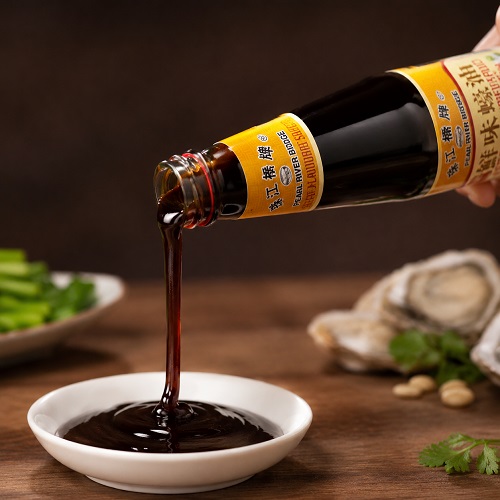
You need the right liquid condiments to build exceptional stir-fry bases in high-heat commercial kitchens. Oyster sauce provides thick body and deep extract notes. However, adding light and dark soy sauce varieties completes the essential base matrix. You control salinity, visual appearance, and underlying taste parameters across your entire menu by carefully pairing these elements.
Light Soy Sauce for Salinity and Umami
Light soy sauce serves as your primary liquid salt provider during high-heat wok production. You rely on thin liquids to season ingredients without changing the visual color profile of delicate vegetables or seafood.
Salt Perception and Flavor Enhancement
Naturally brewed fermented liquids generate deep savory taste notes through disciplined micro-organism activity. You achieve authentic umami performance without relying on synthetic taste enhancers or monosodium glutamate.
|
Aspect |
Mechanism & Practical Application |
|---|---|
|
MSG-Free Umami Profile |
Naturally brewed light soy sauce utilizes Aspergillus oryzae ('koji' mold) enzymes during a months-long fermentation process to break down soybean proteins into glutamic acid. In the brine, this naturally creates monosodium glutamate (MSG) within a complex matrix of flavor compounds, eliminating the need for added purified MSG or chemical acid hydrolysis. |
|
Application in Stir-Frying |
The thin fluid consistency of light soy sauce enables it to coat ingredients quickly and uniformly. It acts as a foundational seasoning that boosts savory depth and elevates vegetable and meat flavors without darkening the dish or masking fresh ingredients. |
Using traditional soy sauce production methods yields unmatched taste clarity. The clean salinity elevates meat juices instantly. Your line cooks maintain precise balance while preserving the natural visual aesthetic of fresh stir-fry ingredients.
Recommended Light Soy Brands for Commercial Line Use
Choosing the best soy sauce options for your prep line requires testing real performance metrics. Commercial kitchens need consistent salt delivery and stable aroma release under extreme burner temperatures. You can choose from several popular soy sauce brands to suit specific menu requirements and specialized customer diets.
-
Pearl River Bridge Sodium Reduced Seasoning Soy Sauce: This choice delivers clean saltiness while providing 30 percent less sodium, helping you serve health-conscious guests without sacrificing traditional flavor profiles.
-
Healthy Boy Thin Soy Sauce: Line cooks rely on this classic Thai fermented formula to provide crisp salinity for light stir-fries and fresh dipping applications.
-
Higashimaru Usukuchi: Japanese kitchen teams choose this delicate fermented selection for clear soups and light pan sauces requiring subtle seasoning.
-
Megachef Gluten-Free Soy Sauce: Kitchen managers select this option to meet gluten-free dietary demands during daily cooking shifts.
Careful commercial selection ensures your station retains operational speed. You can easily select the best soy sauce variant to match your specific kitchen workflow and customer diet needs.
Dark Soy Sauce for Color and Sheen
Dark soy sauce supplies rich color and deep body rather than sharp saltiness. You use dark varieties to transform pale ingredients into visual masterpieces with high-heat flame application.
Achieving Mahogany Sheen in Stir-Fries
High-heat flame turns rich sugars into a lustrous glaze. The natural richness of dark fermented liquids clings tightly to seared protein surfaces. Line cooks toss ingredients rapidly to distribute deep mahogany hues throughout finished dishes.
Traditional brewing methods give these thick condiments a viscous texture. Adding dark liquid near the end of wok execution protects delicate meat textures while binding the remaining pan juices together. Guests immediately notice the attractive shine on meat dishes and thick noodle stir-fries.
Sugar Content and Caramelization Attributes
Dark condiments contain higher molasses and natural sugar levels than light varieties. Extreme flame triggers rapid sugar caramelization inside hot woks. You must regulate wok exposure times carefully to prevent scorch notes while building delicious visual appeal.
Evaluating a broad selection of soy sauces reveals distinct sweetness variations across commercial suppliers. Selecting traditional dark condiments provides steady viscosity during intense service rushes. Proper dark condiment application elevates your overall stir-fry presentation, transforming simple stir-fried items into signature visual attractions.
Each traditional soy sauce variety fulfills a unique functional role on the hot line. Combining precise amounts of light and dark liquids with premium oyster extract gives your kitchen total authority over stir-fry consistency, dish aesthetics, and overall taste performance. Furthermore, keeping light liquid options at cold station stations provides versatile cold dipping solutions for fried appetizers. Standardizing your commercial selection of traditional condiments guarantees operational efficiency, consistent portion control, and outstanding customer satisfaction across every single shift.
Oyster Sauce vs Soy Sauce: Key Differences
You must understand the distinct chemical profiles of liquid condiments to build exceptional wok dishes. Each condiment performs a unique functional role on your cooking line.
Compositional and Structural Comparison
Your line cooks rely on structural differences between liquid seasonings during daily prep routines. Raw ingredients dictate how these liquids interact with hot pan surfaces during fast service rushes.
Oyster Extract Base versus Fermented Soy Base
Oyster sauce derives its core identity from reduced caramelized oyster juices. Production teams combine these extracts with cornstarch as a thickening agent and caramel color for darkening. This process yields a thick glazer that coats food efficiently. You gain an immediate structural coating that clings to meats and vegetables under high wok heat.
Conversely, traditional soy sauce relies on a liquid base of fermented wheat, soybeans, salt, and water. A months-long fermentation process breaks down plant proteins into clean liquid salinity. Controlled fermentation generates complex natural notes without adding starches or altering texture. The resulting fermented liquid distributes salt evenly throughout raw ingredients.
|
Characteristic |
Oyster Sauce |
Soy Sauce |
|---|---|---|
|
Primary Ingredients |
Reduced caramelized oyster juices, added starch (e.g., cornstarch) |
Fermented wheat, soybeans, salt, and water |
|
Consistency & Texture |
Thick, syrupy, and velvety |
Thin and fully liquid |
|
Culinary Function |
Acts as a thick glazer that coats food and gives a glossy shine |
Acts as a thin liquid seasoning base and marinating agent |
Viscosity and Pourability Metrics
Viscosity controls how fast liquid condiments distribute across your line stations. Squeezable viscous glazes feature a thick, syrupy, and velvety texture. You can dispense exact quantities cleanly onto proteins to build surface sheen.
Line cooks use traditional soy sauce to build quick salinity because it flows rapidly across hot woks as a fully liquid seasoning base. Your team spreads liquid salt instantly without clumping dish ingredients together. This fluid mobility allows instant penetration during rapid stir-fry execution.
High-Heat Flavor Dynamics
Thermal energy changes how liquid condiments release volatile aromatic compounds. Managing wok flame allows your line cooks to maximize deep taste notes during high-heat execution.
Glazing Attributes Under Intense Flame
Extreme heat triggers rapid chemical reactions inside thickened condiments. Added starches bind pan juices while caramel color enhances visual depth. You achieve an attractive shine on seared meats as hot pan surfaces caramelize the liquid base.
The dense coating delivers robust richness without running off into the wok bottom. High thermal resistance preserves deep flavor profiles during extreme cooking rushes.
Salt and Umami Balance in Compound Sauces
Combining different liquid condiments creates exceptional compound bases for signature dishes. Fermented soy bases deliver sharp savory notes and natural umami to fresh ingredients. Oyster extracts supply smooth taste depth with subtle sweetness.
You achieve ideal flavor balance by combining thin liquid salinity with heavy extract glazes. Precise sauce ratios elevate overall dish flavor across your menu. Standardizing these liquid combinations ensures consistent taste performance for your entire restaurant operation.
Commercial Ratios and Master Wok Sauce Formulas
You streamline kitchen operations by mixing standard wok bases ahead of daily service. Pre-batching eliminates measuring errors on the line during busy dinner rushes. Professional kitchen teams rely on pre-mixed formulas to keep consistency high across all shift teams.
Your cooks speed up ticket times when you provide standard sauce containers at every wok station. Proper prep routines maintain precise proportion control across your entire menu.
Standard Stir-Fry Master Sauce Ratios
Master sauce mixes give your kitchen total control over every stir-fry order. You establish a clear standard for high-volume wok cooking by standardizing these core liquid ingredients.
All-Purpose Commercial Wok Sauce Formula
Line cooks use an all-purpose base to season vegetables, seafood, and quick stir-fries. Professional Chinese restaurant chefs recommend a specific baseline ratio for standard wok prep.
|
Ingredient |
Proportion / Ratio |
|---|---|
|
Light Soy Sauce |
3 parts |
|
Dark Soy Sauce |
1 part |
|
Oyster Sauce |
1 part |
You achieve an ideal balance of flavors by combining these liquids with a pinch of sugar, white pepper, and a drizzle of sesame oil. This ratio delivers rich umami depth without masking fresh ingredients.
Heavy Glaze Ratios for Meat and Poultry
Heavy meat dishes require a thicker liquid coating that clings to seared proteins. You increase the proportion of viscous oyster sauce to create a rich glaze under extreme flame.
Increasing the thicker extract base improves visual sheen on seared beef and chicken. This rich coating protects tender protein surfaces and delivers a deep savory taste.
Marinades and Braising Bases
Your kitchen staff builds deeper profile layers by using core condiments in early prep stages. Applying rich liquids before cooking locks in moisture and elevates overall meat quality.
Protein Marinades for Retention and Tenderness
Raw protein prep requires proper liquid absorption to maintain tenderness during high-heat cooking. You combine liquid seasonings with cornstarch and cooking wine to coat sliced meats evenly.
|
Marinade Component |
Primary Kitchen Function |
|---|---|
|
Fermented Soy Base |
Penetrates meat fibers to deliver deep saltiness and build raw savory taste. |
|
Viscous Extract Base |
Seals external protein surfaces to retain natural juices during high-heat searing. |
This prep technique protects sliced velveted meats from drying out inside hot woks. Your team delivers consistent tenderness across all fried dishes.
Bulk Stock and Braising Enhancements
High-volume braising pots require steady liquid reinforcement to sustain rich savory depth over long simmer times. You combine dark fermented liquids and thick extracts directly into simmering broths.
Slow-cooked items absorb deep traditional notes from the enriched stock base. Line cooks can also reserve extra braising liquid to create target dipping solutions for fried appetizers. Using standard batch mixes preserves authentic traditional quality across all slow-cooked dishes. Guests enjoy consistent taste performance whether you serve main entrees or side dipping bowls.
Storage Guidelines and Shelf Life in Professional Kitchens
Proper Storage and Handling Protocols
Refrigerated versus Line Station Storage
You must store opened bulk oyster sauce pails inside commercial refrigeration units. Cold ambient temperatures preserve sensitive ingredients against rapid microbial growth and thermal breakdown during busy service hours. Proper refrigeration maintains viscosity and extends product usability across long shifts.
Line cooks frequently keep small operational portions inside ambient wok line stations for quick dispensing. You should return these working squeeze bottles to cold storage at the end of every operational shift. Hot kitchen environments accelerate liquid breakdown when sauces sit near active wok burners for extended periods.
Bulk Dispensing and Squeeze Bottle Hygiene
Kitchen teams routinely transfer liquid seasonings from large commercial pails into ergonomic squeeze bottles. You must wash and sanitize transfer funnels thoroughly before refilling line dispensers. Clean dispensing gear prevents cross-contamination and maintains sanitary standards across your entire prep area.
Line staff must clean squeeze bottle nozzles at the end of every night. Dried residue on bottle caps creates blockages and harbors bacteria. Daily sanitation protocols guarantee smooth product flow and protect fresh sauce batches from premature spoilage.
Shelf Life and Quality Indicators
How Long Does Oyster Sauce Last After Opening
Opened oyster sauce containers retain peak culinary performance for several months under continuous refrigeration. Cold storage slows down natural chemical degradation while preserving original density. You protect raw ingredient investment by maintaining strict cold-chain management inside your walk-in coolers.
Unrefrigerated containers on hot line stations lose essential flavor attributes rapidly. High ambient heat causes rapid moisture loss and alters complex taste components. You should enforce strict first-in, first-out stock rotation to ensure your cooks use fresh ingredients during every shift.
Spotting Oxidation, Separation, and Flavor Loss
Kitchen staff must inspect opened liquid condiments daily for visual and olfactory signs of quality loss. Exposure to air triggers natural oxidation and structural breakdown over time. Recognizing early degradation signs helps you maintain consistent dish presentation and protect guest health.
|
Indicator Category |
Observed Sign |
Quality Degradation / Cause |
|---|---|---|
|
Visual |
Progressive color darkening |
Natural oxidation over time |
|
Visual |
Thin, watery top layer separating |
Syneresis and early flavor decline |
|
Visual |
White or green fuzzy spots |
Surface mold growth contamination |
|
Olfactory |
Sharp, sour, or vinegar-like aroma |
Advanced spoilage and off-odor degradation |
|
Olfactory |
Musty or putrid chemical scents |
Severe contamination and spoilage |
Catching physical signs early prevents poor culinary execution on the hot line. Syneresis creates uneven sauce dispersion during high-heat wok cooking. Sour off-odors ruin overall dish flavor and destroy customer satisfaction instantly. Observing flavor loss alerts line cooks to replace aging condiments promptly. You must discard any bottle showing mold growth or severe separation immediately.
Foodservice Procurement and Packaging Specs
Packaging Formats for High-Volume Kitchens
Bulk Pails and Tubs versus Ergonomic Squeeze Bottles
Commercial purchasing managers analyze physical container formats to optimize daily kitchen operations and control food expenditures. Large bulk pails and heavy tubs supply high-volume prep stations efficiently during busy commercial shifts. Purchasing large containers lowers overall freight costs and delivers long-term financial value during heavy production runs. Kitchen staff transfer these bulk liquid seasonings into smaller work station dispensers during morning prep routines. Proper bulk storage keeps raw unit costs low for commercial buying teams while maintaining bulk stock reserves. Bulk containers fit neatly into walk-in refrigeration units for long storage periods. Buying teams maximize walk-in cooler space by stacking uniform pails neatly.
Line cooks need ergonomic squeeze bottles for fast wok execution during intense service rushes. Squeeze bottles enable cooks to apply accurate amounts directly onto hot cooking surfaces without spills or unnecessary product waste. Precise squeeze dispensing prevents sauce overuse and maintains dish consistency across peak dinner hours. Making an informed packaging selection improves kitchen speed while maximizing total inventory value for your business. Squeeze bottle designs allow quick refilling from larger storage tubs without dropping operational momentum. Clean bottle nozzles ensure smooth dispensing without clogging during peak service hours. Smart packaging choices empower line staff to maintain peak productivity and clean prep stations.
Supply Chain Consistency and Distributor Sourcing
Consistent sauce supplies protect your daily kitchen operations from sudden menu disruptions and missing inventory. Foodservice buyers must evaluate broad distributor networks to ensure continuous product availability throughout the business year. Aligning your ingredient selection with primary vendor catalogs prevents unexpected stock shortages during busy operating weeks. Reliable delivery schedules help your kitchen maintain consistent prep routines and predictable station workflows across all operating shifts. Commercial buyers choose distributors that offer steady inventory delivery and accurate order fulfillment. Careful supplier evaluation prevents kitchen downtime and simplifies regular weekly order planning. Your procurement team maintains vendor accountability by reviewing order fulfillment records regularly.
Kitchen managers benefit from standardizing sauce specifications across all station recipes and prep guidelines. Evaluating performance differences across commercial varieties helps purchasing teams negotiate better wholesale contracts with major food distributors. Testing regional product varieties gives buyers operational flexibility when primary regional supplies fluctuate unexpectedly. Making an informed commercial selection allows your purchasing team to control long-term ingredient costs. Securing stable wholesale supply chains protects food margins and preserves overall menu value for your establishment. Strategic sourcing prevents price spikes and maintains predictable dish costing across your entire menu. Establishing long-term distributor partnerships guarantees consistent ingredient performance across all shifts, safeguarding restaurant reputation and long-term customer loyalty for your growing business.
Combining premium extract with the best soy sauce pairing elevates wok execution across your menu. You create exceptional flavor depth when rich extract joins a complementary soy sauce product. High-grade liquid condiments maximize operational value while delivering complex flavor profiles in fast stir-fry production.
Balancing extract density against portion costs delivers immediate value to commercial kitchens. Superior ingredient density unlocks long-term menu value while maintaining tight control over portion expenses. You protect profit margins without sacrificing quality across signature dishes.
Standardize master sauce formulas across your kitchen staff immediately. Consistent sauce prep preserves rich flavor across all high-volume dishes. Uniform execution ensures every shift delivers bold flavor and exceptional consistency in all finished dishes.
FAQ
What is the main difference between light and dark soy sauce in wok cooking?
Light soy sauce adds essential salinity and umami without darkening your food. Dark soy sauce provides a deep mahogany color, mild sweetness, and rich coating ability for your stir-fries.
How should you store commercial oyster sauce after opening?
You must store opened containers inside commercial refrigeration units. Cold ambient temperatures preserve viscosity and prevent microbial growth during busy operational shifts.
Why does real extract density matter for your kitchen selection?
Real extract density elevates natural food aromas and coats proteins evenly. High extract concentration gives your dish deep umami depth without leaving a harsh chemical aftertaste under intense wok heat. Your selection process should prioritize authentic extract quality.
Can you pre-mix master wok sauce for line efficiency?
Yes, pre-batching master sauce speeds up ticket times and eliminates measuring errors during service rushes. Combining three parts light soy sauce, one part dark soy sauce, and one part oyster sauce creates a balanced commercial base.
How does high heat affect oyster sauce performance?
Extreme wok flames caramelize high-density formulations into a glossy glaze. Superior heat stability prevents scorch marks and stops thin syrups from burning on hot wok walls.
What is the best product selection for budget-conscious kitchens?
Selecting cost-effective commercial alternatives helps kitchen managers control daily food expenses. Your product selection balances raw unit costs with portion yield to maintain menu profitability across every shift.
How long does opened oyster sauce remain usable in refrigeration?
Opened containers retain peak culinary quality for several months under continuous refrigeration. Strict cold-chain management preserves original product density and protects your raw ingredient investment.